- info@immwise.ca
- 311 Marlborough Street, Brantford, Ontario N3S4T8
Canada Immigration Changes in 2026: New Rules, New Opportunities for Applicants
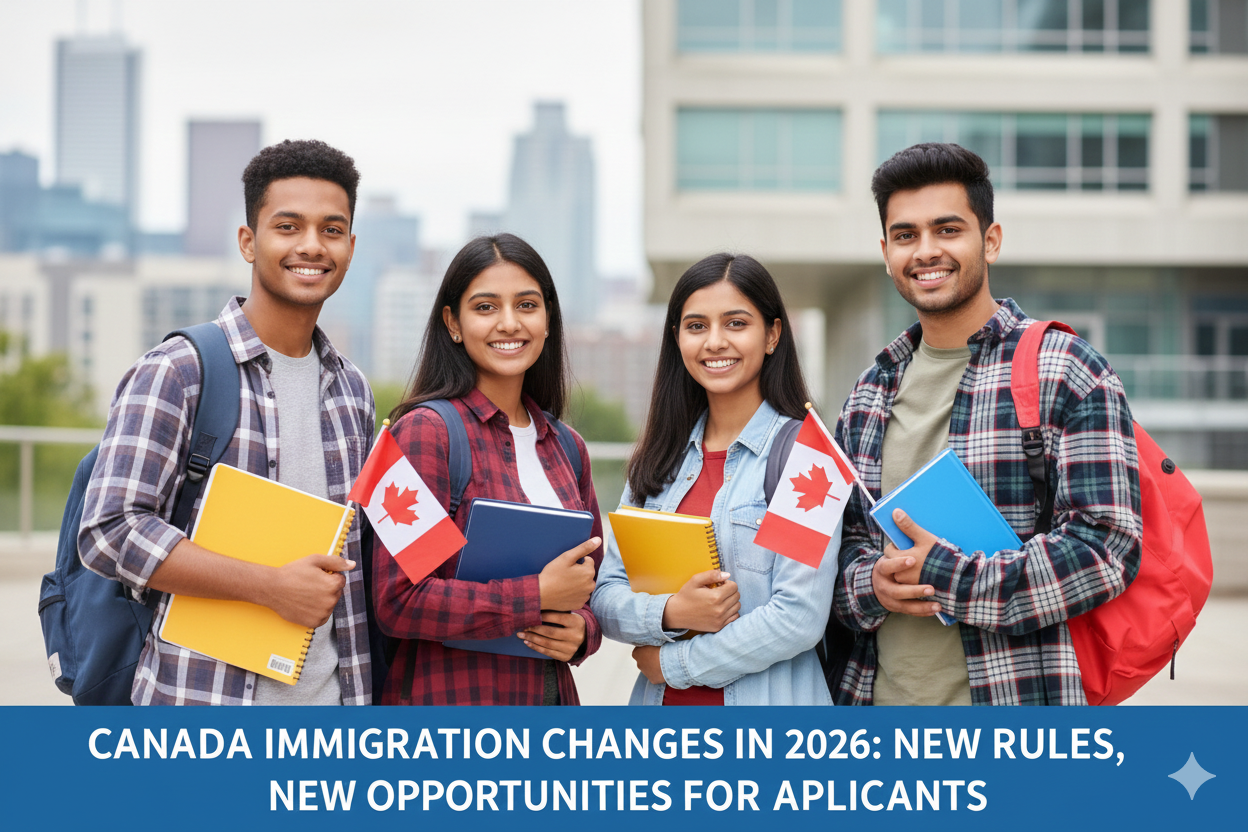
Canada continues to fine-tune its immigration system to meet labor shortages, regional needs, and economic goals. As we move into 2026, several important changes are shaping how skilled workers, students, and families can move to Canada. Understanding these updates early can give applicants a real advantage.
1. Express Entry Category-Based Draws Are Now a Priority
IRCC is focusing more on targeted Express Entry draws rather than general invitations. Priority categories include:
-
Healthcare professionals
-
STEM occupations
-
Skilled trades
-
Transport and logistics
-
French-speaking candidates
Applicants who match these categories are receiving invitations with lower CRS scores than traditional draws.
2. Provincial Nominee Programs Are Gaining More Power
Provinces are selecting candidates directly based on local workforce needs. Many PNP streams now:
-
Accept candidates with lower CRS scores
-
Offer occupation-specific invitations
-
Support international graduates staying back after studies
This makes PNPs one of the most reliable pathways to permanent residence in 2026.
3. Student to PR Pathways Are Expanding
Canada is encouraging international students to stay after graduation. New and updated pathways allow graduates to:
-
Apply for PR with Canadian work experience
-
Transition smoothly from PGWP to PR
-
Benefit from provincial graduate streams
Choosing the right college, program, and province is now more important than ever.
4. Work Permit and Family Immigration Updates
Canada has simplified processes for:
-
Spouse open work permits
-
Employer-specific work permits
-
Family sponsorship timelines
These changes aim to reduce processing delays and help families settle faster.
Why Professional Guidance Matters
Immigration rules are changing quickly. A small mistake in profile selection, documentation, or timing can delay or reject an application. Working with licensed immigration professionals helps applicants choose the most suitable pathway and stay compliant with IRCC updates.
Immwise Immigration provides personalized strategies for Express Entry, PNPs, study permits, and work permits, ensuring applicants stay ahead of policy changes.